
The Synthetic Imposter: Defensive Strategies Against Deepfake Social Engineering
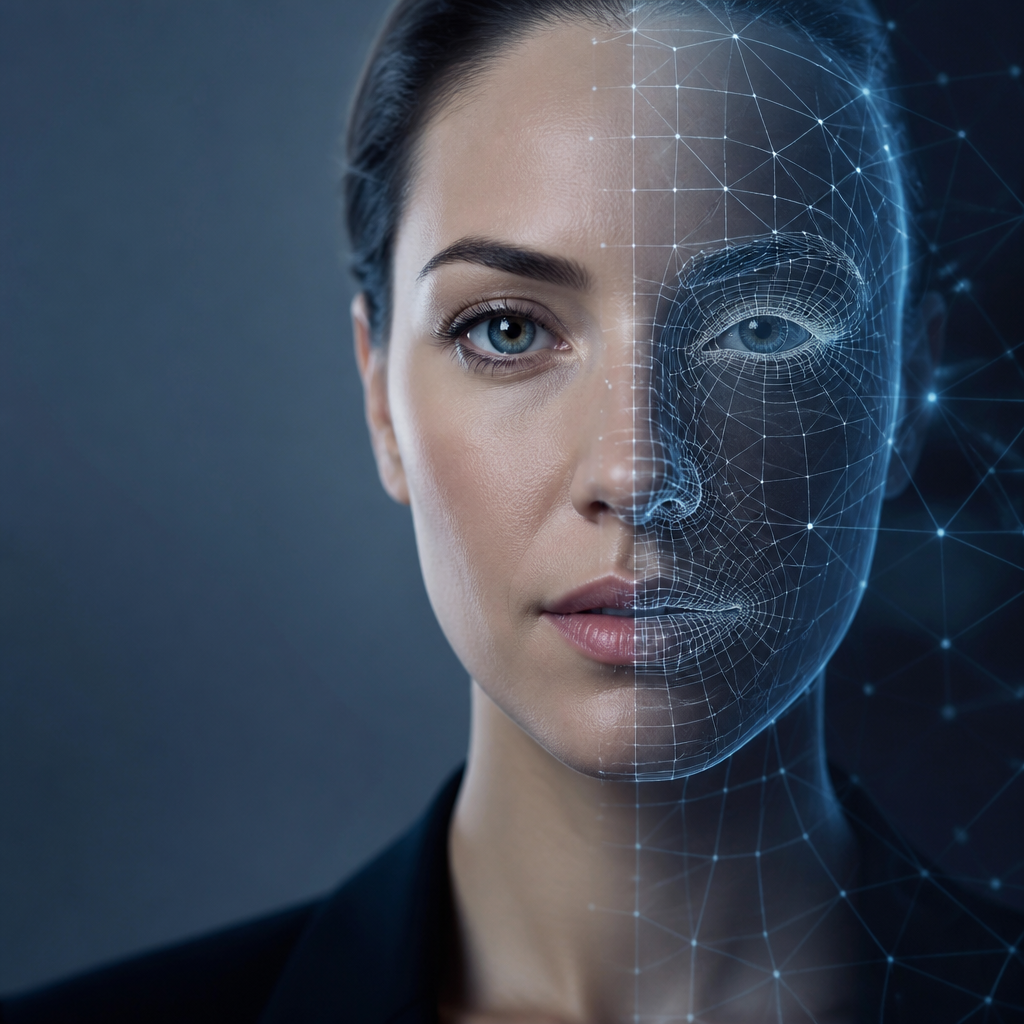
The Era of the Digital Doppelgänger
For decades, social engineering relied on the art of the text-based hustle. Phishing emails and SMS lures were the primary tools of the trade. However, the rise of generative adversarial networks (GANs) and sophisticated Large Language Models has introduced a far more sinister threat: the synthetic imposter.
Deepfake social engineering—the use of AI-generated audio, video, or imagery to deceive targets—is no longer a theoretical risk. High-profile cases have already seen global enterprises lose tens of millions of dollars after employees were tricked by synthetic representations of their own C-suite executives during video calls.
At Gpenda Technologies Inc., we recognize that as the barrier to entry for creating deepfakes drops, every organization must evolve its defensive posture. This is no longer just an IT problem; it is a fundamental challenge to the concept of digital trust.
The Anatomy of a Deepfake Attack
Unlike traditional phishing, deepfake attacks weaponize the psychological comfort of familiarity. These attacks generally manifest in three ways:
- Audio Spoofing (Vishing 2.0): Using a short clip of an executive's voice—often harvested from a keynote speech or earnings call—attackers generate a real-time voice clone. They then call a subordinate, requesting an urgent wire transfer or sensitive credentials.
- Video Impersonation: During a virtual meeting, an attacker uses a real-time deepfake filter to overlay an executive’s likeness onto their own face. Combined with audio spoofing, this creates a near-perfect digital twin.
- Synthetic Identity Fraud: Combining deepfake visuals with stolen PII (Personally Identifiable Information) to open fraudulent accounts or bypass KYC (Know Your Customer) biometric checks.
Technical Indicators: How to Spot a Synthetic Imposter
While deepfake technology is improving rapidly, there are still technical "tells" that can give away a synthetic entity. Organizations should train their teams to look for these subtle anomalies during high-stakes interactions:
- Unnatural Blinking: Many deepfake models struggle to replicate the involuntary frequency and movement of human blinking.
- Lighting and Shadow Inconsistency: Look for shadows that don't align with the background or light that reflects strangely on the skin compared to the environment.
- Digital Artifacts (Jitter): Watch the edges of the face, especially around the jawline and neck. When a deepfake subject turns their head, the "mask" may momentarily lag or blur.
- Audio Latency and Tone: Synthetic voices often lack the natural cadence of human speech, such as rhythmic breathing, varied inflection, or slight verbal stumbles. A voice that sounds too perfect—or slightly robotic in its pacing—is a red flag.
Strategic Defense: Building a Verification Culture
Technology alone cannot solve a problem rooted in human psychology. To defend against synthetic imposters, Gpenda Technologies Inc. recommends a multi-layered strategy that combines process, policy, and technology.
1. Establish Out-of-Band Verification
Create a mandatory protocol for any sensitive request, such as a wire transfer, password reset, or access to restricted data. If a request comes via a video call or voice memo, the recipient must verify it through a second, unrelated channel—such as a pre-verified internal messaging platform or a return call to a known office extension.
2. The "Safe Word" or Challenge-Response Protocol
For high-risk teams (Finance, HR, IT Admin), implement a non-digital challenge-response system. This involves a pre-shared secret or a question that a synthetic model—relying on publicly available data—would not be able to answer correctly. This is an effective, low-cost way to verify identity in urgent situations.
3. Hardening Biometric Authentication
If your organization uses facial recognition for access control, ensure your vendors utilize "liveness detection." This technology requires the user to perform a specific action (like turning their head or smiling) to prove they are a physical human being rather than a static image or a looped video stream.
Global Regulatory Landscape and Compliance
As deepfakes become a tool for financial fraud and data breaches, global regulators are beginning to integrate synthetic media risks into existing frameworks.
- GDPR (Europe): The use of synthetic media to process personal data without consent falls under strict biometric and privacy protections.
- PIPEDA (Canada): Organizations must ensure that the collection of biometric data for verification is reasonable and secured against synthetic manipulation.
- US State Laws: Several jurisdictions are introducing specific legislation targeting the non-consensual use of likenesses and AI-generated fraud.
Maintaining compliance now requires an explicit mention of synthetic media risks within your incident response and data protection policies.
The Role of Awareness Training
The most effective firewall against deepfakes is an educated workforce. Modern security awareness training must move beyond "don't click the link." Employees need to be shown actual examples of deepfake audio and video to understand the realism they are up against.
At Gpenda Technologies Inc., we advocate for simulation-based training. By experiencing a simulated (and safe) deepfake scenario, teams can develop the muscle memory needed to pause, verify, and report suspicious activity before a breach occurs.
Looking Ahead: The Future of Digital Trust
We are entering an era where "seeing is no longer believing." As the line between authentic and synthetic continues to blur, the organizations that thrive will be those that prioritize verifiable identity over visual or auditory familiarity. By implementing rigorous verification protocols and staying informed on the latest AI developments, you can ensure that your team remains one step ahead of the synthetic imposter.